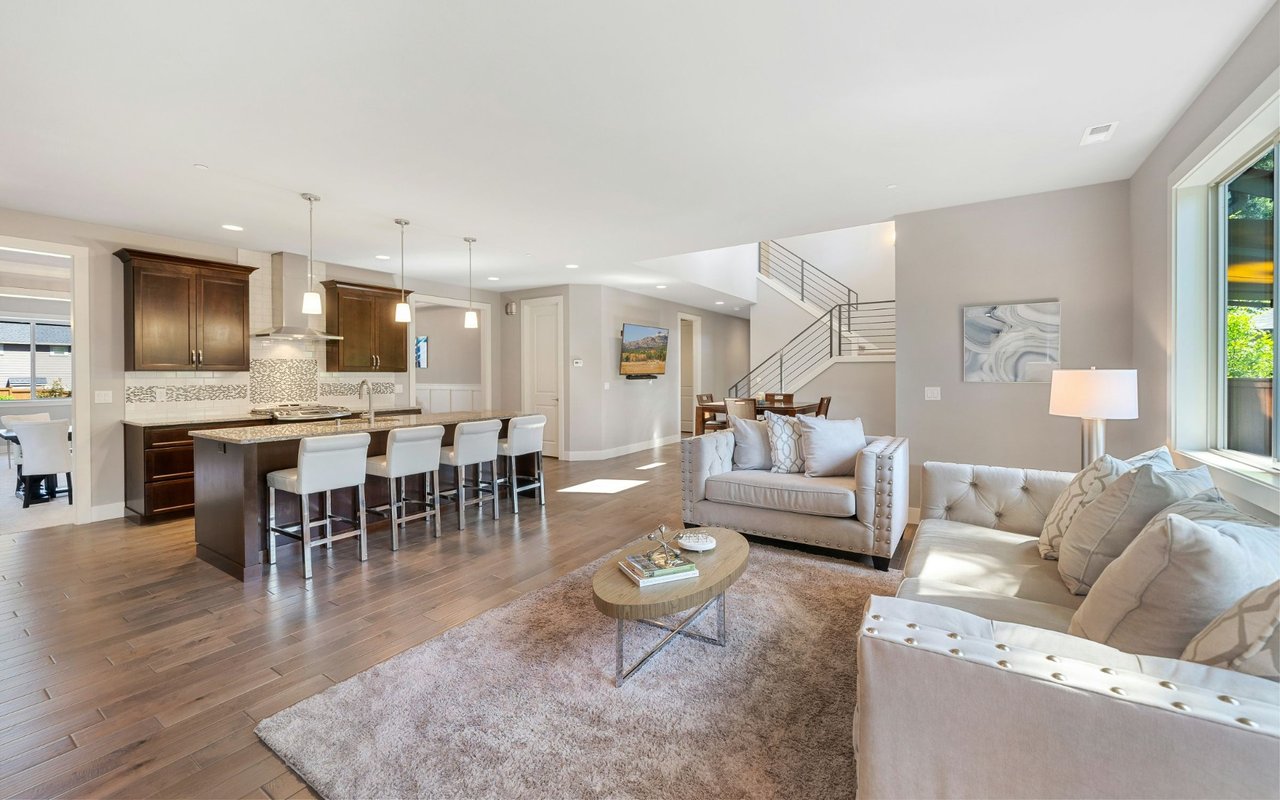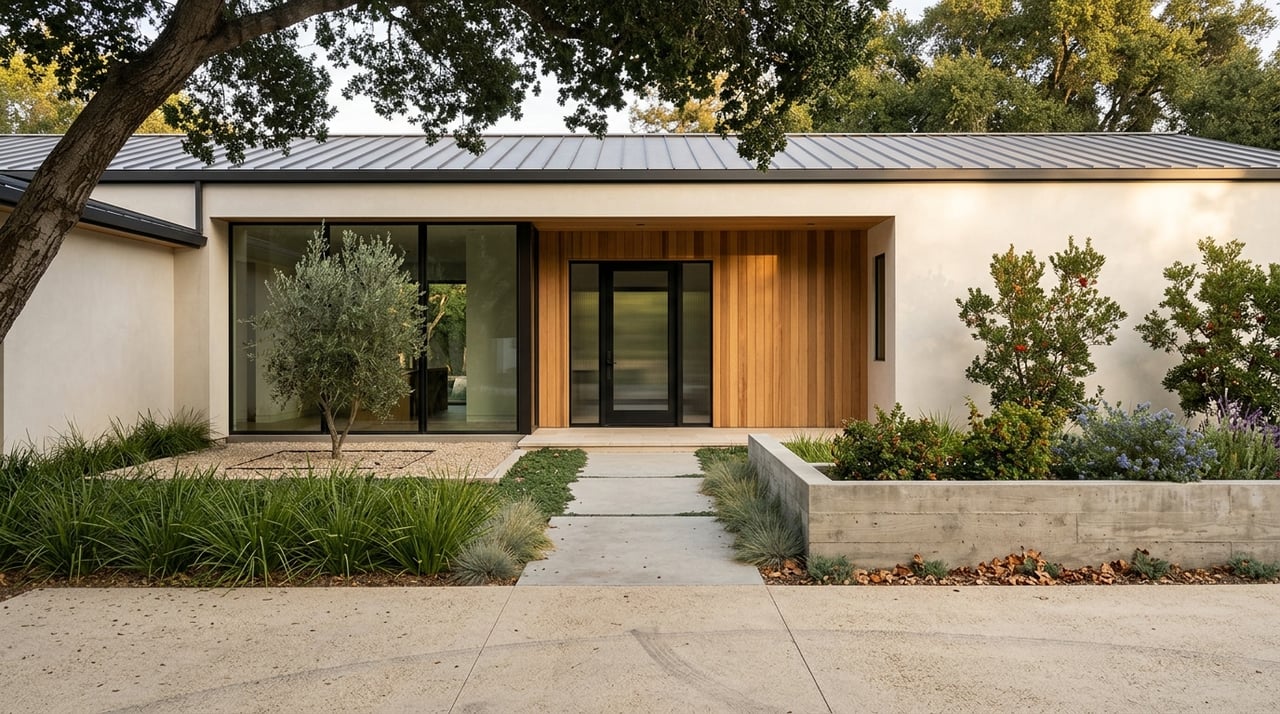
Choosing between Los Altos Hills and Los Altos can feel surprisingly complex, especially when both places offer beautiful homes, strong demand, and a sought-after Mid-Peninsula location. If you are trying to decide where to buy, sell, or simply focus your search, the right answer often comes down to how you want to live day to day. This guide breaks down the real differences in land, home styles, convenience, and market dynamics so you can see which area fits your goals more clearly. Let’s dive in.
Los Altos Hills vs. Los Altos at a glance
At a high level, Los Altos Hills is more about land, privacy, and setting, while Los Altos is more about neighborhoods, variety, and convenience. That contrast shows up in how each community was planned, how homes sit on their lots, and what daily life tends to feel like.
Los Altos Hills is intentionally low-density and semirural. The town’s general plan describes it as primarily low-density single-family residential development with minimum lot sizes of at least one acre, and it does not include commercial or industrial uses within town limits.
Los Altos has a more varied suburban pattern. City design guidance notes that it developed with spacious quarter-acre lots, but it also includes smaller-lot areas and several single-family zoning districts, creating a broader range of home settings.
Lot size and land use differences
Los Altos Hills feels more estate-like
If lot size is high on your list, Los Altos Hills stands apart. With one-acre minimum lots and a planning framework built around preserving semirural character, homes often feel more secluded and more connected to the land around them.
The town is also almost fully developed, which means much of the housing change happens through teardown-and-rebuild projects rather than large new subdivisions. For you as a buyer or seller, that often makes the lot itself a major part of the value story.
Los Altos offers more lot-size variety
Los Altos gives you more variation. While many homes sit on generous lots, the city also includes smaller-lot neighborhoods, which can create more options across price points, home size, and location within the community.
That variety also changes the feel from block to block. Some parts of Los Altos read as classic suburban streetscapes, while others feel more spacious and quiet, depending on lot configuration and housing style.
Home styles and architectural character
Los Altos has a broader architectural mix
Los Altos has a well-documented range of residential styles. According to the city’s residential design guidelines, ranch is the dominant historic style, but farmhouse, craftsman or bungalow, colonial, Mediterranean, Italian, and Victorian forms also appear in the local housing stock.
The city also requires design review on residential construction. In practical terms, that helps explain why remodels, additions, and thoughtfully updated homes are such a visible part of the market.
Los Altos Hills is defined by scale and site response
Los Altos Hills is less about one signature architectural style and more about custom design, larger scale, and how a home fits its site. The town’s estate-homes ordinance applies to homes of 10,000 square feet or more and specifically addresses features such as pools, tennis courts, secondary dwellings, pool cabanas, barns, and stables.
The design guidance also emphasizes compatibility with the terrain and the preservation of the town’s open rural feel. As a result, homes in Los Altos Hills often present as custom properties shaped by hillside conditions, views, privacy, and overall site planning.
Walkability and daily lifestyle
Los Altos supports more errands on foot
If you want a more walkable day-to-day lifestyle, Los Altos is generally the stronger fit. The city describes itself as a tree-lined small-village community served by seven small retail districts, and its planning documents support walking access to downtown, neighborhood commercial areas, parks, transit services, and neighboring cities.
That does not mean every home is walkable to everything. It does mean the city is structured more around neighborhoods that connect to everyday destinations in a conventional suburban way.
Los Altos Hills prioritizes scenic movement
Los Altos Hills offers a different kind of mobility. The town’s pathway system extends for over 86 miles and is designed for pedestrians, runners, cyclists, and equestrians, connecting neighborhoods to open-space areas throughout the community.
So if you picture morning walks, cycling routes, and a quieter residential setting, Los Altos Hills may align better with your priorities. If you picture being closer to retail districts and a town-center rhythm, Los Altos may feel more natural.
Market snapshot: pricing and inventory
Both markets are high-value, but they behave differently.
In March 2026, Realtor.com reported Los Altos with a median listing price of $4.198 million, 74 homes for sale, a median of 26 days on market, and a 100% sale-to-list ratio. For Los Altos Hills, Realtor.com reported a median listing price of $9.398 million, 11 homes for sale, a median of 111 days on market, and a 100% sale-to-list ratio.
Redfin’s March 2026 sold-price medians also point in the same direction, with Los Altos around $4.08 million and Los Altos Hills around $5.08 million. The exact figures differ by source and metric, but both datasets show Los Altos Hills above Los Altos in price.
What the numbers suggest
For buyers, Los Altos usually offers deeper inventory and faster turnover. That can create more chances to compare options and act within a market that, while competitive, has a broader selection.
Los Altos Hills tends to be thinner and more selective. Fewer available homes and a longer median time on market can reflect the specialized nature of the luxury segment, where each property’s lot, terrain, privacy, and design have an outsized impact.
What buyers should think about
If you are deciding between these two markets, it helps to get clear on what matters most in your daily life and long-term plans.
Los Altos may fit you better if you want:
- A more traditional neighborhood structure
- Easier access to retail and services
- More variation in lot sizes
- A wider mix of home styles
- A market with more available inventory
Los Altos Hills may fit you better if you want:
- Acreage and more separation from neighbors
- Privacy and a quieter residential setting
- Custom or estate-scale homes
- Site-driven architecture shaped by terrain
- Scenic pathways and a semirural feel
For many buyers, the decision is not about which place is better. It is about whether you are really shopping for convenience and neighborhood fabric or land and setting.
What sellers should keep in mind
Sellers in these two markets often need different positioning strategies.
In Los Altos Hills, buyers are often weighing qualities such as lot size, privacy, terrain, views, and overall estate presentation. The property’s setting can be as important as the house itself, which means presentation should help buyers understand the scale, placement, and lifestyle value of the site.
In Los Altos, neighborhood compatibility, curb appeal, architectural quality, and proximity to commercial districts can play a bigger role. Buyers may focus more closely on how the home lives within its neighborhood context and how updates or design choices support everyday convenience.
That difference matters when you are planning pricing, pre-market preparation, photography, and the overall story you want your home to tell. A polished, well-positioned listing is important in both places, but the value drivers are not always the same.
How to choose with confidence
If you are torn between Los Altos Hills and Los Altos, start with a few simple questions:
- Do you want more land or more convenience?
- Do you prefer a custom estate feel or a neighborhood setting?
- Is walkability to shops and services important to you?
- Do you want broader inventory choices or are you targeting a very specific property type?
- If you are selling, what features truly drive your home’s value in its location?
The right move often becomes clearer once you look past the zip code and focus on lifestyle, land use, and market structure. That is where a side-by-side comparison becomes useful.
Whether you are buying your next home or preparing to sell, understanding these distinctions can help you make smarter decisions about timing, pricing, and where to focus your energy. If you want thoughtful guidance on Los Altos Hills, Los Altos, or the broader Mid-Peninsula market, connect with Hummingbird Homes.
FAQs
What is the main difference between Los Altos Hills and Los Altos homes?
- Los Altos Hills homes are generally defined more by acreage, privacy, and custom site-driven design, while Los Altos homes offer more neighborhood variety, broader lot sizes, and easier access to retail districts and daily conveniences.
Are homes in Los Altos Hills usually more expensive than homes in Los Altos?
- March 2026 market snapshots from Realtor.com and Redfin both show Los Altos Hills above Los Altos in price, although exact numbers vary by source and whether the metric is listing price or sold price.
Is Los Altos more walkable than Los Altos Hills?
- Yes. Los Altos is structured more around downtown and neighborhood commercial areas, while Los Altos Hills is better known for its pathway network designed for pedestrians, runners, cyclists, and equestrians.
What kind of lots are typical in Los Altos Hills?
- Los Altos Hills is planned around low-density residential development with minimum lot sizes of at least one acre, which contributes to its more secluded and estate-like feel.
What should sellers emphasize in Los Altos Hills versus Los Altos?
- In Los Altos Hills, sellers should pay close attention to lot size, privacy, terrain, views, and estate presentation. In Los Altos, curb appeal, architectural quality, neighborhood context, and access to commercial districts often matter more in the overall value story.