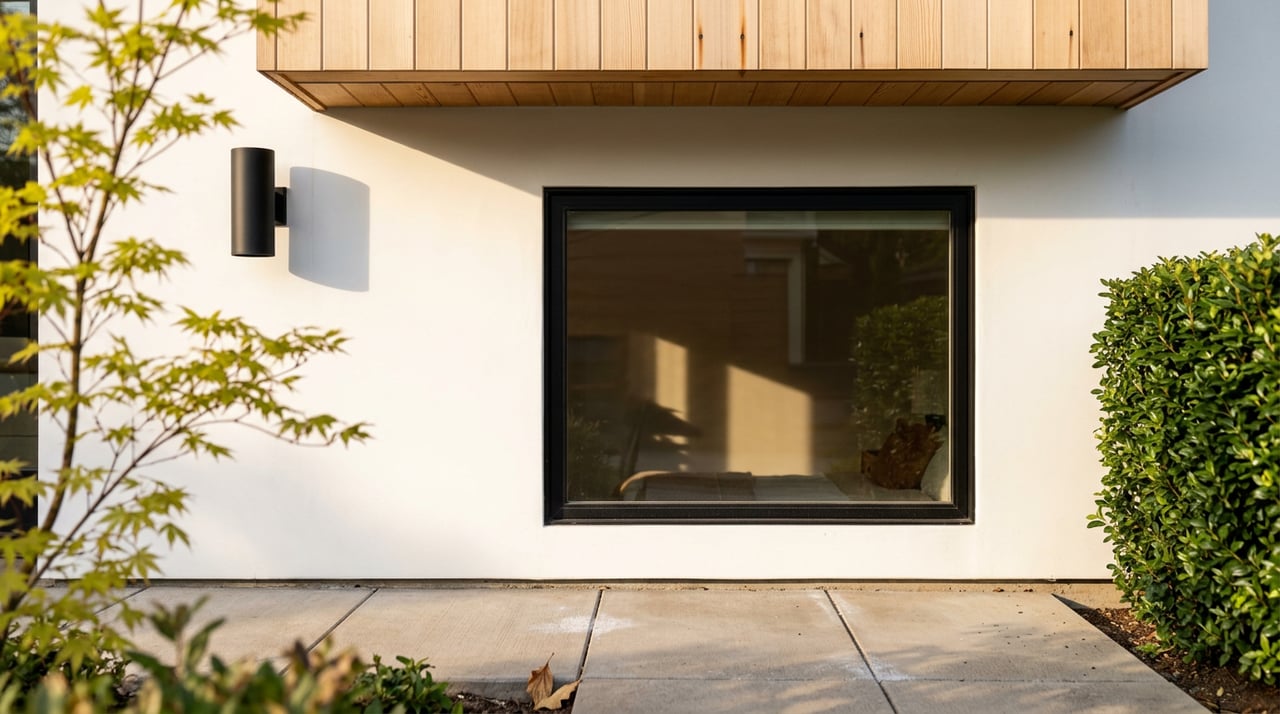
On weekday mornings in Menlo Oaks, the first sounds aren't birds or leaf blowers. They're jackhammers, backhoe beeps, and the steady churn of construction crews working through what used to be a quiet street of ranch houses. Foundations have been poured where modest post-war homes stood a year ago. New modern farmhouses sit next to original Cape Cods that haven't sold yet.
This is what a market restructuring looks like from street level — and it's the detail the median price doesn't capture.
The Mechanism Nobody Is Talking About
Most coverage of Menlo Park's 2026 market focuses on demand: Meta's stock recovery, AI-driven RSU wealth flowing into down payments, tight inventory. Those forces are real. But demand alone doesn't explain why five of the seven Bay Area neighborhoods currently at their highest-ever values are in Menlo Park, or why Menlo Oaks, specifically, has recorded the biggest price appreciation of any neighborhood across the entire Bay Area.
The supply side is doing something unusual, and it explains the demand signal more precisely than any stock chart.
A decade ago, roughly 10 spec developers were active in Menlo Park. As of early 2026, there are approximately 30. Thomas James Homes, the Orange County builder that entered Menlo Park in 2020, has constructed over 50 homes in the city since then. Their Northern California president, Adam Kates, has been direct about the calculus: flat, right-angled lots, a relatively straightforward planning process by Bay Area standards, and post-war housing stock that draws no preservationist resistance. One developer bought a 1950s home near the edge of Menlo Oaks and sold it after renovation for $7.15 million — purchased at $4.125 million. That math has attracted competitors.
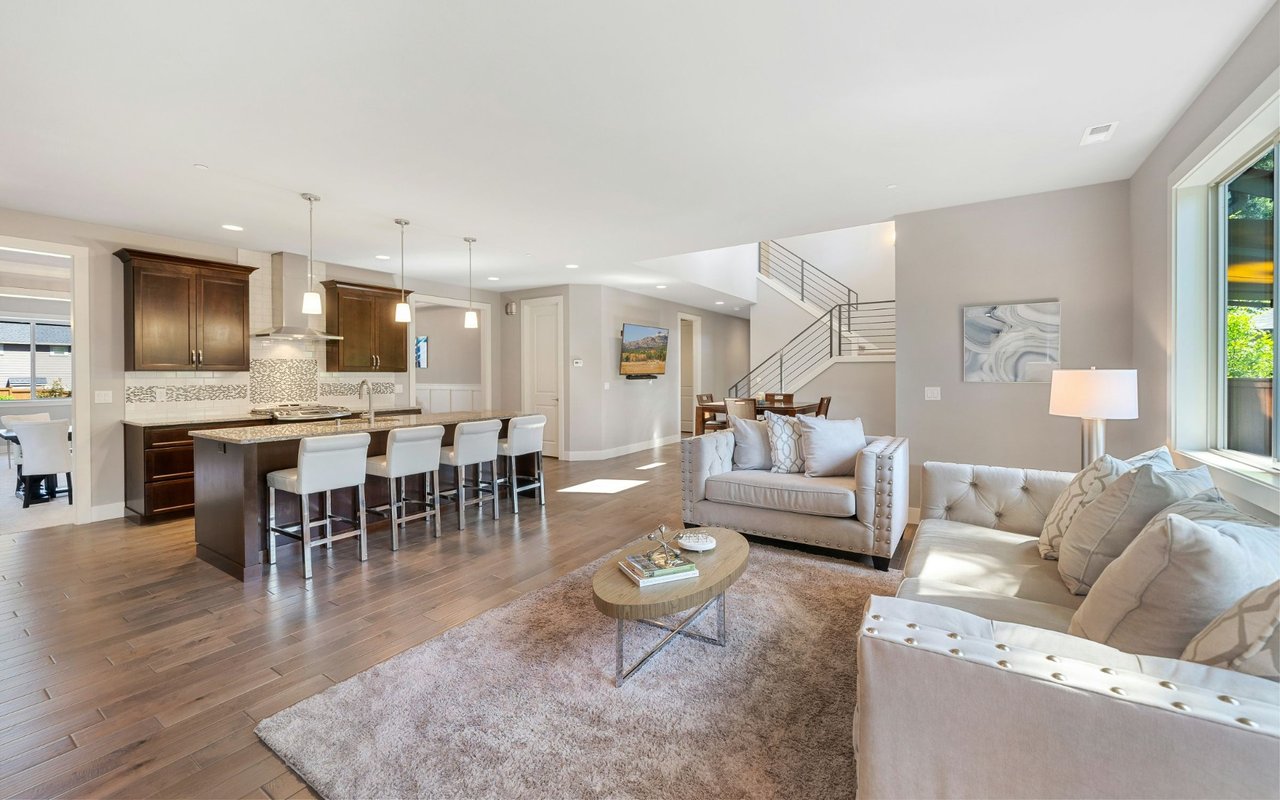
The result is a market where buyers are not simply competing with each other. They are competing with a professionally managed spec pipeline that delivers new construction finishes on infill lots, sometimes within walking distance of the home they are also considering.
The hidden friction in Menlo Park is not price. It is the standard of comparison. When new construction at $3.5M sits two blocks from a 1970s resale at $3.2M, the resale does not win on value — it loses on condition.
What Buyers Are Actually Bidding Against
The Menlo Park City School District boundary has long created a price premium on properties within it — estimates range from 10 to 20 percent on otherwise comparable homes, and that gap can exceed six figures on a single transaction. School district assignment cannot be assumed from neighborhood name alone; it requires verification on every specific parcel before an offer is written.
But the newer pressure on buyers is the spec-build comparison. As of early 2026, the typical home in Menlo Oaks is just under $3.2 million, a 4.2 percent increase over the 2021-2022 pandemic peak — the largest gap-above-peak in the Bay Area. Across Menlo Park broadly, the median sale price reached approximately $2.8 million in January 2026, up roughly 32 percent year-over-year, with well-positioned homes going into contract in seven to twelve days.
Buyers walking into this market frequently make one of two errors. The first is treating a resale as a discount relative to new construction without accounting for the true cost of updating 1960s plumbing or electrical — costs that sophisticated buyers price in immediately and that sellers often underestimate. The second is underestimating how many competing offers are arriving from buyers holding substantial cash, often from vested RSUs at Meta, NVIDIA, or Google, who are underwriting their bids with equity that doesn't depend on mortgage contingencies.
The sale-to-list ratio across Menlo Park sits around 101 percent. Turnkey listings — fresh paint, refinished floors, updated lighting, clean landscaping — are consistently achieving 105 percent or better. That five-point spread represents real money at Menlo Park prices.
How the Neighborhoods Are Moving Differently
Menlo Oaks is the most active rebuild zone. The small, tree-lined enclave has attracted the highest concentration of spec developers, and its flat geometry makes each lot buildable quickly. Buyers there are choosing between purchasing a new spec home at a known price and competing for existing homes that may require full system replacements.
Allied Arts moves differently. The neighborhood draws buyers who want proximity to the Allied Arts Guild — a working craft community that has anchored the area's identity for decades — and to downtown Menlo Park along Santa Cruz Avenue. New construction appears here, but the existing homes are often larger and on more established lots, which shifts the competitive dynamic toward presentation and update quality rather than land value alone.
The Willows has a loyal buyer pool that treats the neighborhood as a long-term hold. The walkability to downtown and to Caltrain makes it competitive for buyers who would otherwise look at Palo Alto, and that overlap keeps multiple-offer situations common even when the broader market softens.
West Menlo sits close to Highway 280, which matters to buyers commuting south. TJH has active listings here, and the combination of top-rated school proximity and newer inventory has pushed West Menlo into consistent above-asking territory.
The Cultural Shift That Changed the Buyer Profile
Presidio Bay Ventures opened Springline, a mixed-use apartment and office complex just off El Camino Real, in 2023. The project imported San Francisco brands — Burma Love, Che Fico, and Barebottle Brewing — into a city that previously had a thinner dining and nightlife offering. The shift in Springline's central plaza has changed how younger buyers perceive the city, and it reinforced what the spec builders had already observed: demand from well-resourced buyers in their late 20s and 30s who want walkability and a sense of community, not just square footage.
Presidio Bay Ventures has since proposed building 670 housing units — including 101 affordable units — at the former USGS campus on Middlefield Road. A separate proposal would add 199 apartments at 155 Jefferson Drive. Neither has been approved, but both signal continued developer confidence in the city's absorption capacity — and both will add supply pressure to a market that currently runs on 40 to 50 active single-family listings at any given time.
What This Means at the Transaction Level
For buyers: Disclosure review in Menlo Park requires specific attention to lot coverage, ADU permitting status, and any active construction nearby that might affect financing appraisals. Properties near active spec rebuilds sometimes face appraisal volatility because the comparable sales pool shifts faster than in stable markets. Verify school district assignment on the specific parcel — not the neighborhood name, not the cross street. Get it confirmed in writing before submitting an offer.
For sellers: The spec-build pipeline has raised the floor on buyer expectations across the city. A listing arriving without preparation is not competing with other resales of its era — it is being compared against new construction that offers warranties, modern systems, and no deferred maintenance. Sellers who invest in turnkey presentation consistently outperform asking price; those who do not are frequently forced into price reductions that cost more than the preparation would have.
Pricing strategy in this market rewards discipline. Listing at or slightly below assessed market value tends to generate more competing offers and a higher net outcome than leading with an aspirational number. The buyer pool is sophisticated and moves quickly when value is clear.
Frequently Asked Questions
Is now a good time to buy in Menlo Park, or should I wait for inventory to improve? Inventory is structurally constrained — sellers without a clear replacement home are reluctant to list, and spec developers are absorbing the lots that would otherwise come to market as teardowns. Waiting for a meaningful inventory increase requires betting against a trend that has held for several years. The more productive question is whether a specific property, at a specific price, makes sense relative to your alternatives.
How do I know if a home I'm considering is in the Menlo Park City School District? District boundaries do not follow neighborhood lines cleanly. The only reliable method is to search the specific parcel on the district's official boundary lookup tool and confirm the result. Relying on a listing description or a neighbor's assumption has led to expensive surprises.
What should I ask about a spec-built home before making an offer? Confirm who built it and request documentation on the contractors used for structural, plumbing, and electrical work. Ask whether the property has a builder's warranty, and if so, what it covers and for how long. Request the permit history and sign-off documentation from the city. New construction in a fast-moving spec market varies widely in execution quality — the finish materials visible in photographs are not always the best indicator of what matters most.
If you are weighing Menlo Park against other Peninsula neighborhoods, or trying to understand what a specific property is actually worth in this market, Hummingbird Homes works with buyers and sellers across Menlo Park, Los Altos, Palo Alto, and the surrounding communities. Reach out — we are glad to talk through what the data means for your specific situation.